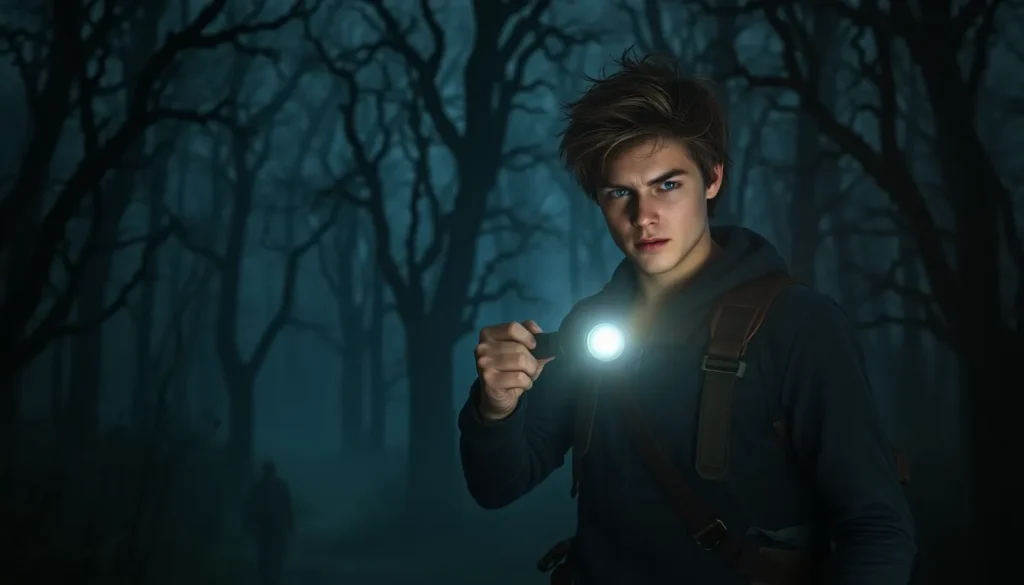
In the realm of gaming, horror RPGs stand out as a thrilling blend of storytelling and gameplay that immerses players in spine-chilling narratives. These games invite players to confront their deepest fears while navigating eerie landscapes filled with suspense and mystery. From haunted mansions to desolate wastelands, horror RPGs create an atmosphere where every decision can lead to survival or doom.
As players delve into these dark worlds, they encounter complex characters and chilling plot twists that keep them on the edge of their seats. The combination of role-playing elements with horror themes not only heightens the sense of dread but also fosters emotional connections to the game’s narrative. Whether it’s unraveling a sinister plot or battling grotesque creatures, horror RPGs offer an unforgettable experience that captivates both seasoned gamers and newcomers alike.
Overview of Horror RPG
Horror RPGs blend narrative depth with immersive gameplay. In these games, players navigate unsettling environments, making choices that influence the storyline’s outcome. Common themes include survival against malevolent forces, uncovering sinister secrets, and confronting psychological fears.
Players often assume the roles of complex characters, each with unique backstories, motivations, and fears. This character development deepens the emotional engagement and heightens the stakes during gameplay. Unexpected plot twists frequently emerge, adding layers of suspense and unpredictability to the experience.
Horror RPGs leverage various settings, from haunted mansions to desolate landscapes, that enhance the atmosphere of dread. Mechanics such as resource management and decision-making contribute to a sense of urgency and tension. The integration of horror elements, like jump scares and psychological horror, challenges players to confront their instincts and make critical decisions that shape their journey.
Many popular horror RPGs, such as “Bloodborne” and “Amnesia: The Dark Descent,” showcase these attributes, enticing both seasoned players and newcomers alike. This genre’s allure lies in its ability to evoke visceral reactions and create memorable moments, solidifying its place in gaming culture.
Key Elements of Horror RPG
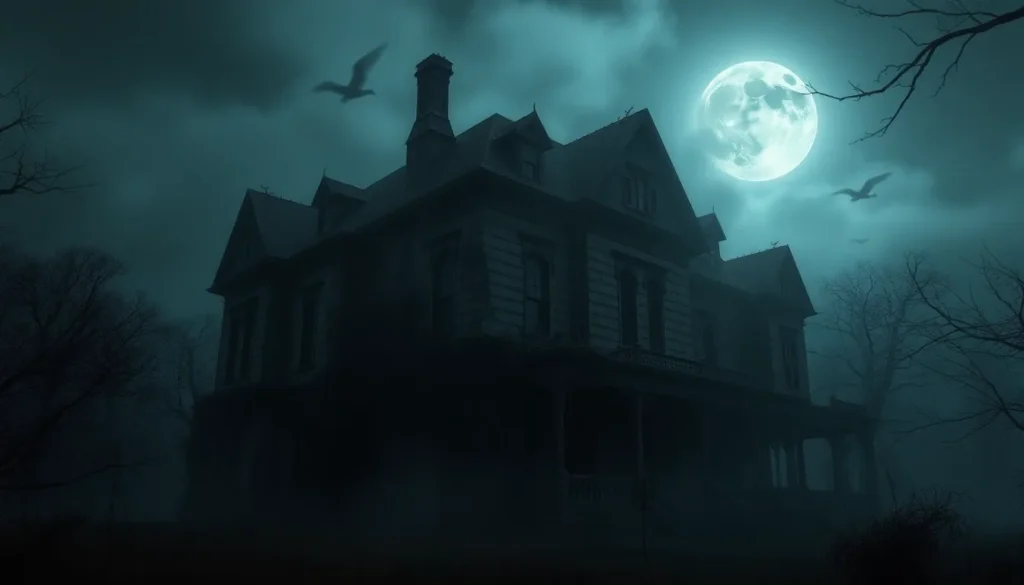
Horror RPGs rely on specific elements that enhance player experiences, creating a deeply engaging and unsettling atmosphere. Key components include immersive settings and well-developed characters, which contribute to the overall tension and emotional impact.
Atmosphere and Setting
Atmosphere significantly affects the horror RPG experience. Eerie environments, like haunted mansions or abandoned villages, evoke feelings of dread and isolation. Dynamic lighting and chilling sound design amplify this tension, immersing players in a hostile world. Detail-rich settings foster exploration, where players discover unsettling lore and secrets, adding depth to the narrative. For instance, games like Silent Hill create haunting visuals that convey both beauty and fear, making every corner unpredictable.
Character Development
Character development plays a crucial role in horror RPGs. Players engage with complex protagonists, each featuring unique backstories that reveal motivations and deepen emotional ties. The development of relationships, including trust and betrayal, intensifies the stakes as characters confront their fears. Skill trees and customizable traits allow for varied gameplay experiences, encouraging players to adapt their strategies based on personal choices. Titles like The Witcher 3: Wild Hunt showcase how character arcs evolve through decisions, directly impacting narrative progression and player involvement.
Popular Horror RPGs
Horror RPGs captivate audiences with their chilling narratives and immersive experiences. Several titles stand out, showcasing the evolution of this genre.
Classic Titles
Classic horror RPGs laid the foundation for the genre, bringing unique elements that shaped future games. Notable examples include:
- “Resident Evil”: This iconic series popularized survival horror, featuring fixed camera angles and resource management, creating an atmosphere of dread.
- “Silent Hill 2”: Renowned for its psychological horror, this game employs deep storytelling and unsettling environments, making players confront their fears.
- “Castlevania: Symphony of the Night”: This title blended action RPG elements with horror aesthetics, establishing a cult following for its atmospheric gameplay and rich lore.
Contemporary Releases
Modern horror RPGs expand on classic elements, introducing fresh mechanics and innovative storytelling. Key titles feature:
- “Bloodborne”: This action RPG emphasizes fast-paced combat and intricate world design, drawing players into a gothic horror narrative filled with cosmic terror.
- “Amnesia: The Dark Descent”: Focused on psychological horror and exploration, it challenges players with limited resources and a sense of vulnerability amid its haunting environments.
- “The Witcher 3: Wild Hunt”: While primarily a fantasy RPG, it incorporates horror themes and moral complexities, particularly in side quests like “The Witcher 3: Hearts of Stone,” which delve into the horrifying and supernatural.
These horror RPGs highlight the genre’s versatility, drawing players into their unsettling worlds where every decision matters.
Gameplay Mechanics in Horror RPG
Gameplay mechanics in horror RPGs focus on immersing players in a chilling experience, emphasizing elements that instill fear and tension while requiring critical decision-making.
Fear and Tension
Fear and tension are central to horror RPG mechanics, creating an atmosphere that envelops players in unease. These games often utilize sound design, lighting, and visual cues to manipulate players’ emotions. Jump scares, ambient noises, and sudden moves enhance the sense of vulnerability. Resource management, such as limited ammunition and health items, amplifies players’ anxiety as they navigate life-threatening scenarios. Enemies often exhibit unpredictable behavior, which forces players to remain on their toes. Games like “Outlast” exemplify this approach, with players constantly feeling hunted in hostile environments. The effective use of psychological horror elements, such as hallucinations and unreliable narratives, contributes to a profound sense of dread, leading to memorable and distressing gameplay.
Decision-Making
Decision-making mechanics in horror RPGs challenge players to confront their choices, significantly impacting the story’s trajectory. Players face moral dilemmas and life-or-death scenarios where each decision can lead to varying outcomes. Important decisions often involve sacrificing resources or allies, affecting the broader storyline and character arcs. Games such as “Until Dawn” showcase branching narratives where choices create a ripple effect, altering relationships and the fate of characters. Time-sensitive decisions heighten the stakes, increasing player engagement as they weigh options under pressure. These mechanics encourage exploration of different paths and endings, enhancing replayability while fostering emotional investment in the game’s outcome.
The Impact of Horror RPG on the Genre
Horror RPGs reshaped the landscape of gaming, influencing both narrative styles and gameplay mechanics across various media. Their ability to create immersive experiences has sparked significant cultural dialogue around fear and storytelling.
Influence on Other Media
Horror RPGs significantly impacted films, literature, and television, driving thematic exploration of fear. Films such as The Witch and Hereditary borrow atmospheric techniques and psychological horror elements found in games like Silent Hill 2. Literature has seen a rise in horror novels inspired by RPG narratives, with authors incorporating complex character development and moral dilemmas reminiscent of game stories. Television series such as The Haunting of Hill House utilize similar storytelling structures, integrating nonlinear narratives and character-driven plots that enhance emotional impact.
Community and Culture
Horror RPGs foster vibrant communities, enabling players to share experiences and interpretations. Online forums and social media platforms host discussions on strategies and story analyses, creating a collaborative culture that thrives on player engagement. Events like horror-themed game nights and conventions promote the genre, connecting fans through shared interests in ambient storytelling and gameplay. Modding communities also enrich the genre, as players create unique content and expansions, contributing to a dynamic landscape that continually evolves. This strong community aspect solidifies horror RPGs’ importance within gaming, enhancing player investment and engagement.
Horror RPGs offer a unique journey into the depths of fear and suspense. Through gripping narratives and immersive gameplay, they challenge players to confront their darkest anxieties. The intricate character development and atmospheric settings heighten emotional investment, making every decision feel weighty and consequential.
As players navigate these chilling worlds, they not only experience thrilling gameplay but also engage with rich storytelling that resonates on multiple levels. The genre’s influence extends beyond gaming, inspiring various forms of media and fostering vibrant communities. Horror RPGs continue to captivate audiences, ensuring their lasting impact on the gaming landscape.